Split vs Window vs Multi-Split Aircon: Choosing Your System
Split, window, or multi-split aircon for Singapore? Pros, cons, 2026 costs, and ideal use cases for each system type. How to match hardware to your flat.
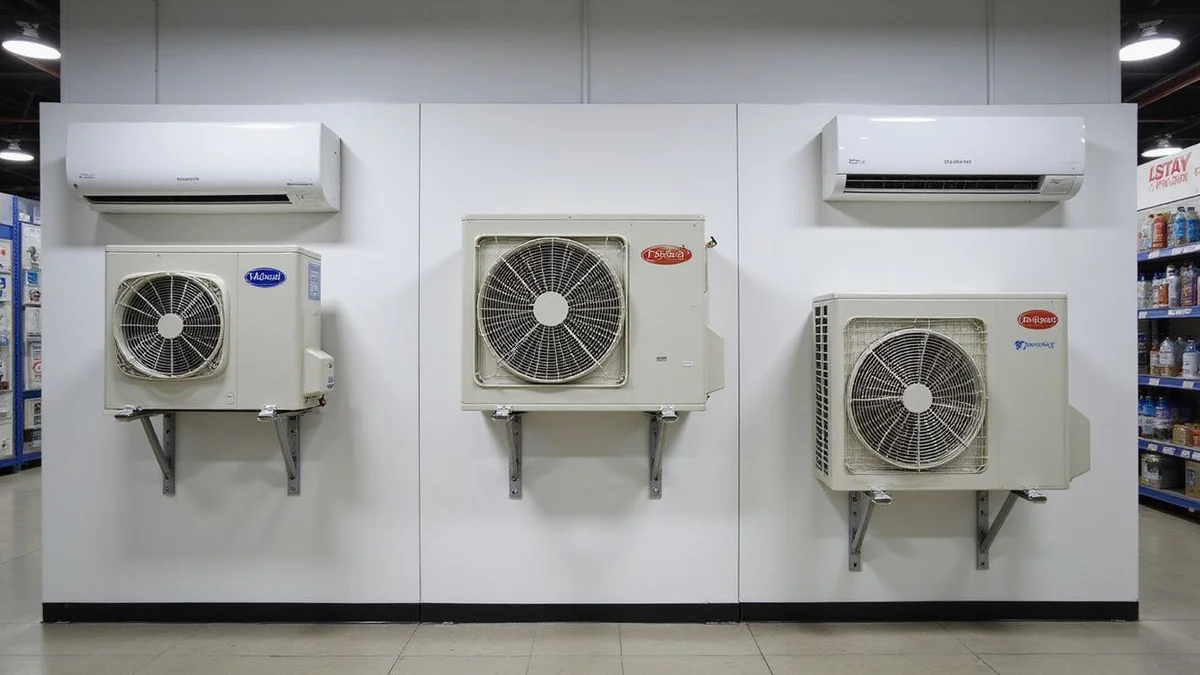
Choosing the correct air conditioning system type is the critical first step for any Singapore property. Split, window, and multi-split units each operate differently, and selecting the wrong configuration can lead to rejected HDB permits or excessive electricity bills.
This comparison covers the three primary systems with real 2026 pricing and clear recommendations by housing type.
Single-split system
A split system pairs one indoor blower with one outdoor compressor, connected by copper refrigerant piping. This dedicated one-to-one setup provides efficient, targeted cooling for individual rooms.
Ideal for: Single bedrooms, studio apartments, adding cooling to one room, or replacing a failed single unit.
Pros: Simplest installation, cheapest per BTU, quietest premium models (Mitsubishi Starmex at 19 dB), widest model range.
Cons: Each room needs its own outdoor compressor, creating ledge congestion. HDB generally limits external installations to two separate condensers without special approval.
2026 pricing (installed)
| Capacity | Estimated Price |
|---|---|
| 9000 BTU (3-tick) | S$800 - S$1,100 |
| 9000 BTU (5-tick inverter) | S$1,100 - S$1,500 |
| 12000 BTU (5-tick inverter) | S$1,300 - S$1,800 |
| 18000 BTU (5-tick inverter) | S$1,600 - S$2,300 |
Window aircon
A self-contained unit installed through a window frame or dedicated wall opening. The entire refrigeration cycle happens inside one box, requiring no external piping.
Ideal for: Budget-constrained installations, rental properties where landlords prohibit wall drilling, temporary setups, older HDB flats with structural window openings.
Pros: Cheapest upfront cost, no outdoor unit needed, simple installation without complex piping.
Cons: Noticeably noisier indoors, lower energy efficiency (typically 2-3 tick maximum), blocks natural light, bulky facade impact.
Most new residential installations since 2010 use split systems for better efficiency and noise reduction. Window units still serve niche markets: affordable rentals and specific 1970s-era HDB blocks that bypass complex piping constraints.
2026 pricing (installed)
| Capacity | Estimated Price |
|---|---|
| 8000-9000 BTU (2-tick) | S$450 - S$650 |
| 12000 BTU (2-3 tick) | S$550 - S$800 |
| 18000 BTU (standard) | S$700 - S$1,100 |
Multi-split system
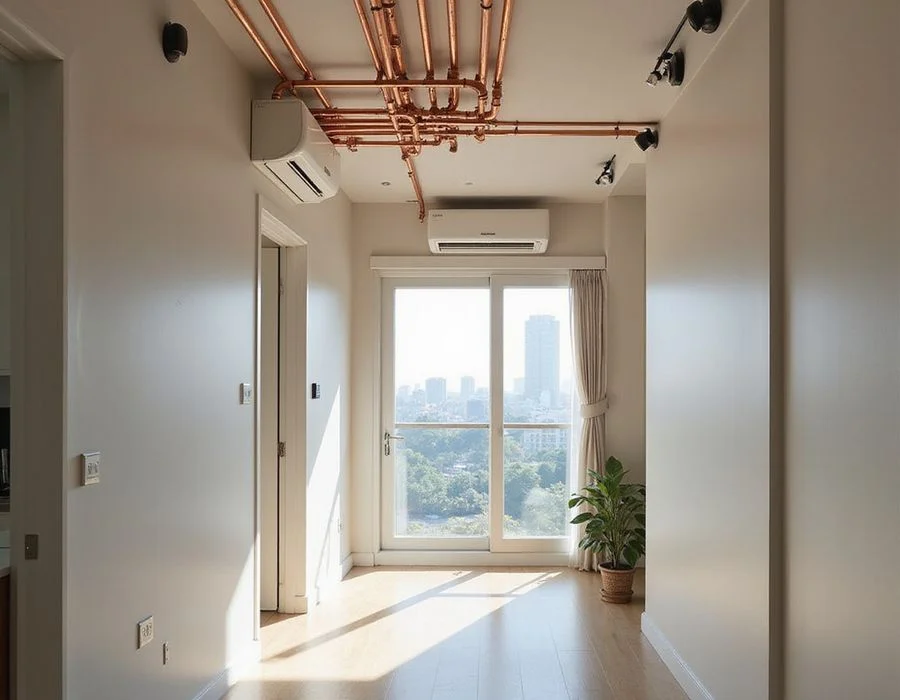
A single high-capacity outdoor compressor connects to multiple indoor fan coils via individual copper pipe pairs. This configuration cools an entire flat while maximizing scarce exterior space.
Ideal for: HDB and condo flats with 3+ rooms, properties with restricted outdoor ledges, homeowners prioritizing clean aesthetics, buyers investing in long-term 5-tick efficiency.
Pros: Consolidates up to five indoor units on one compressor, frees ledge space, allows independent room-by-room control, modern inverter technology cuts electricity significantly.
Cons: Higher upfront cost, all rooms lose cooling if the outdoor unit fails, complex installation with pressure-tested piping, future indoor units must match the outdoor brand.
Capacity planning
Multi-split outdoor units have a maximum total BTU. Running all indoor units at maximum simultaneously can undersized the system.
- 24000 BTU outdoor: Supports two 12000 BTU units or one 12000 + two 9000 BTU.
- 36000 BTU outdoor: Effectively supports four 9000 BTU units simultaneously.
- 48000 BTU outdoor: Handles a full five-room setup with 9000 BTU units.
2026 pricing (installed)
| Configuration | Estimated Price |
|---|---|
| System 2 (9k + 9k) | S$2,200 - S$3,200 |
| System 3 (9k + 9k + 12k) | S$3,500 - S$5,000 |
| System 4 (four indoor units) | S$4,500 - S$6,800 |
| System 5 (five indoor units) | S$6,000 - S$9,500 |
Decision guide by housing type
Studio / 1-bedroom: Single-split. Simple, affordable, low maintenance.
3-room HDB (2 aircon rooms): Either 2 single-splits or a 2-indoor multi-split. Costs run similar. Multi-split saves one ledge position.
4-room HDB (3 aircon rooms): System 3 multi-split. Consolidates hardware and ensures compliant ledge usage.
5-room HDB or condo (4-5 rooms): System 4 or 5 multi-split. HDB regulations limit exterior compressors, making multi-split necessary.
Landed / penthouse (4-6+ rooms across floors): Two separate multi-splits or a commercial-grade VRF system. Spreading load across floors optimizes piping efficiency.
The reliability trade-off
The main multi-split concern is the single point of failure: if the outdoor compressor fails, every connected room loses cooling simultaneously. In practice, premium multi-split compressors from Daikin and Mitsubishi prove extremely resilient. Consistent quarterly maintenance keeps simultaneous multi-room failures rare. Common fault components like fan motors and capacitors take only 1-3 days to source.
A properly maintained multi-split system is a highly practical, reliable choice for long-term residential comfort in Singapore.
Book a site survey
Our iCare Aircon experts map the ideal configuration based on your room dimensions, ledge capacity, and budget. WhatsApp us your address and flat type to start the process. Full details on our aircon installation service page.
Part of the Aircon Installation guide hub
← Back to the main Aircon Installation pageQuestions Answered
Frequently Asked Questions
Is multi-split always the best choice for Singapore flats?
For flats with 3+ aircon rooms and limited outdoor ledge space, yes. For a single-room apartment or 1-bedroom flat, a simple single-split is more economical and easier to service. Match the system to your room count.
Can I still get window aircons in Singapore?
Yes, but the market has shrunk. Most new installations are split systems because they're quieter and more efficient. Window aircons remain available for budget-conscious or short-term rental situations, but stock is limited to a few models.
What happens if one indoor unit in a multi-split fails?
That specific indoor unit needs repair, but the rest of the system usually continues working. If the outdoor unit fails, however, all connected indoor units stop. That's the main downside of multi-split — a single point of failure for the whole system.
 LICENSED
 About the Author
Mr Chong
Founder & Licensed HVAC Technician, iCare Aircon
Mr Chong founded iCare Aircon in Jurong after more than 10 years in Singapore’s HVAC industry. He started as an apprentice technician on HDB rooftops, moved into commercial chiller work, then built iCare Aircon to offer honest, diagnostics-first aircon servicing across Singapore. He holds a BCA-licensed contractor registration, NEA-certified refrigerant handler status, and personally trains every technician on the team. Mr Chong writes these guides to answer the same questions he hears on every job call.
Related Guides
How to Choose the Right Aircon for Your Singapore Home
Practical 2026 buyer's guide to choosing aircon in Singapore. BTU sizing by room, inverter payback, brand reliability, tick ratings, and installation costs.
Read guide →Inverter vs Non-Inverter Aircon: Is the Premium Worth It?
Inverter aircon worth the premium? 15-30% lower electricity, real payback calculations, noise and lifespan differences. Honest 2026 recommendation.
Read guide →Best Aircon Brands for HDB and Condo Homes in Singapore
Daikin, Mitsubishi, Panasonic, Toshiba, LG compared for Singapore HDB and condo. Reliability, efficiency, parts availability, and real installation share data.
Read guide →Ready for cool, clean air — today?
Chat with iCare Aircon on WhatsApp for same-day aircon service island-wide.