Best Aircon Brands for HDB and Condo Homes
Daikin, Mitsubishi, Panasonic, Toshiba, LG compared for Singapore HDB and condo. Reliability, efficiency, parts availability, and real installation share data.
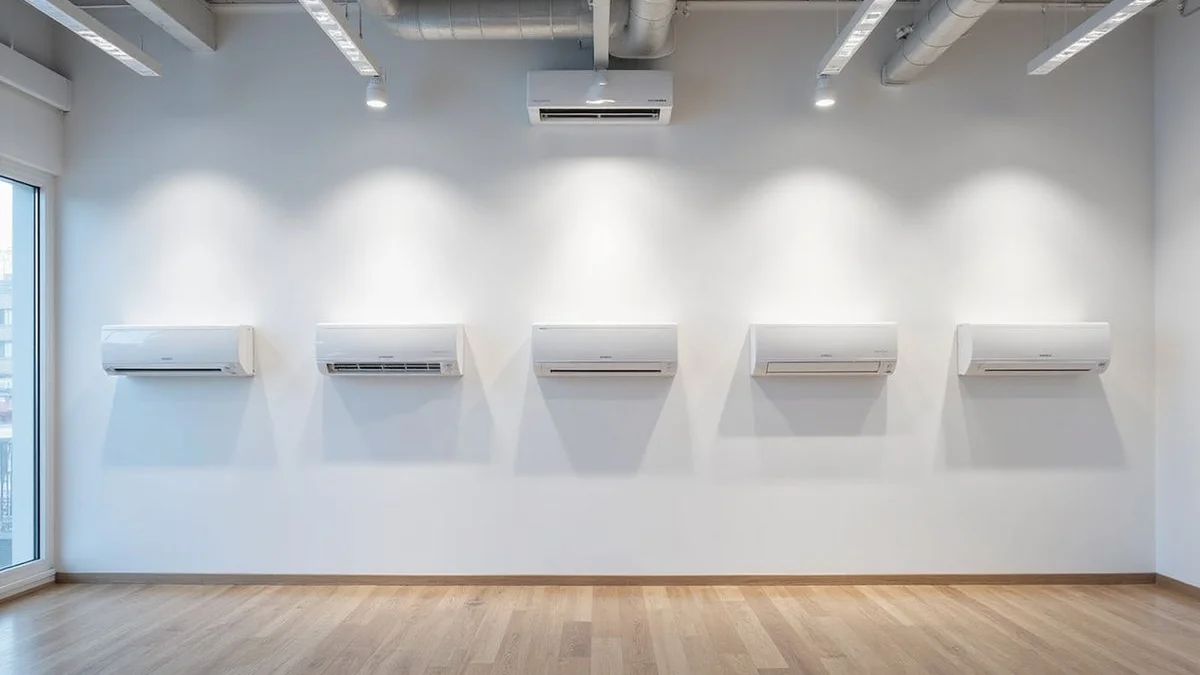
Two units with the same BTU and NEA tick rating can perform very differently over five years. True ownership cost goes far beyond the purchase price. You need to factor ongoing energy consumption, parts availability, and long-term reliability into the decision.
This comparison draws on real-world maintenance data across thousands of service calls in Singapore to rank the best aircon brands singapore hdb owners can buy in 2026.

Overall ranking with context
From an installer and service perspective, here is how the major players stack up for 2026:
- Daikin: Premium reliability, best local parts network.
- Mitsubishi Electric: Matches Daikin in quality, slightly cheaper, best dehumidification.
- Panasonic: Strong mid-tier with excellent air purification features.
- Toshiba: Best value among Japanese brands, compact condensers ideal for tight HDB ledges.
- LG: Solid Korean choice with advanced dual-inverter technology.
- Midea and Hisense: Budget-friendly tier suitable for light daily usage.
Daikin
The premium market leader with unmatched reliability and the fastest local parts sourcing. We see the fewest recurring repair visits with this brand. The flagship iSmile Series dominates residential installations with smart features and heavy-duty cooling.
Virtually any replacement component can be sourced within 24-48 hours locally.
Strengths: Lowest breakdown rate, fastest parts availability, smart app control, 5-tick iSmile series.
Weaknesses: S$150-S$400 premium over comparable Toshiba or Panasonic models. Mid-range Daikin lines lack the flagship edge.
Best for: Main living spaces, long-term residences, multi-split HDB installations where one brand covers the whole flat.
Typical price (9000 BTU 5-tick inverter, installed): S$1,400 - S$1,800.
Mitsubishi Electric
Top-tier reliability matching Daikin, with noticeably quieter indoor units. The Starmex FP and FN series hold 5-tick ratings and feature the near-silent 19dB blower operation that dramatically improves sleep quality.
Strengths: Proven reliability, superior dehumidification in Singapore’s humidity, whisper-quiet operation, up to 30% energy savings via inverter technology.
Weaknesses: Brand confusion with Mitsubishi Heavy Industries (a separate company). The MELCloud smart app feels less polished than Daikin’s.
Best for: Bedrooms and nurseries demanding quiet operation, tropical conditions requiring strong humidity control, premium alternative to Daikin at a slightly lower price.
Typical price (9000 BTU 5-tick inverter, installed): S$1,300 - S$1,700.
Panasonic
Excels in the mid-range market with exceptional air purification via Nanoe X technology. Independent studies show Nanoe X inhibits 99.9% of adhered viruses and allergens within two hours, using only 25W per hour. The XU Series Multi-Split is particularly strong for families managing respiratory issues.
Strengths: Advanced Nanoe X purification, wide local stocking, Econavi occupancy sensors, solid service network.
Weaknesses: Slight reliability drop compared to Daikin and Mitsubishi. Certain model lines experience PCB failures around the 5-7 year mark.
Best for: Bedrooms for allergy or asthma sufferers, environments exposed to road dust or haze, buyers wanting premium health features at mid-tier pricing.
Typical price (9000 BTU 5-tick inverter, installed): S$1,250 - S$1,600.
Toshiba
Best price-to-performance ratio among Japanese manufacturers in Singapore. The YouMe 2.0 series stands out as the first 5-tick low-GWP inverter multi-split in the country. The compact outdoor units require only 82mm clearance, fitting perfectly on cramped HDB aircon ledges.
Strengths: Exceptional value for Japanese engineering, strong reliability, eco-friendly R32 system, space-saving condenser design.
Weaknesses: Lower brand recognition reduces perceived resale value. Smart app features trail Daikin and LG. Some uncommon parts take slightly longer to arrive.
Best for: Value-conscious buyers wanting proven Japanese durability, apartments with restricted ledge space, multi-split upgrades on a strict budget.
Typical price (9000 BTU 5-tick inverter, installed): S$1,100 - S$1,500.
LG
Market leader in modern aesthetics and dual-inverter technology. The ArtCool Plus series appeals to homeowners designing contemporary interiors. Dual-inverter compressors cool rooms rapidly while maintaining strong efficiency. The ThinQ ecosystem offers the best mobile app experience in the market.
Strengths: Innovative dual-inverter compressors, sleek premium aesthetics, best smart home integration.
Weaknesses: Inconsistent long-term durability across model lines. Narrower parts availability compared to Japanese brands.
Best for: Tech-savvy users wanting smart home control, buyers focused on interior design, households already using LG appliances.
Typical price (9000 BTU 5-tick inverter, installed): S$1,100 - S$1,500.
Midea, Hisense, and other Chinese brands
Massive upfront savings with significantly improved build quality over the past five years. Units cost 20-35% less than equivalent Japanese models. These brands capture a growing segment of the rental market where tenants pay the electricity bill.
Strengths: Unbeatable pricing, generous 10-year compressor warranties in some lines, modern inverter technology.
Weaknesses: Breakdown rates rise noticeably after 5 years. Discontinued parts can be difficult to source. Smaller service networks rely on third-party contractors.
Best for: Investment properties and rental units, guest bedrooms with infrequent usage, extremely tight renovation budgets.
Typical price (9000 BTU 5-tick inverter, installed): S$750 - S$1,100.
Quick decision shortcuts
“Maximum reliability, money no object” - Daikin iSmile 5-tick inverter.
“Strong reliability at reasonable cost” - Mitsubishi Starmex or Toshiba YouMe 2.0.
“Best features (app, purification)” - Panasonic XU Series with Nanoe X or LG ThinQ.
“Tight budget” - Toshiba mid-range for Japanese value, or Midea inverter for maximum savings.
“Multi-split for a 4-room HDB” - Daikin or Mitsubishi Electric. Multi-split reliability is critical because a single outdoor unit powers every room.
What Singapore homeowners actually buy
Daikin and Mitsubishi Electric dominate daily installation schedules. These two premium brands make up roughly two-thirds of total installations because they offer the safest long-term returns.
| Brand | Installation Share (2026) | Primary Reason |
|---|---|---|
| Daikin | 40% | Unmatched reliability and rapid parts availability |
| Mitsubishi Electric | 25% | Whisper-quiet operation and extreme durability |
| Toshiba | 15% | Best Japanese price-to-performance value |
| Panasonic | 10% | Superior air purification for health-conscious homes |
| LG | 5% | Modern design and smart home integration |
| Midea / Other | 5% | Budget constraints and rental properties |
Get a brand-agnostic recommendation
The right cooling setup matches hardware to your specific floorplan and daily habits. Send a WhatsApp message detailing your flat type, number of rooms, and budget. Our iCare Aircon team will suggest the most cost-effective models from any brand that fits your requirements. See the full aircon installation service page or the how to choose an aircon guide for the broader framework.
Part of the Aircon Installation guide hub
← Back to the main Aircon Installation pageQuestions Answered
Frequently Asked Questions
Which aircon brand is most reliable in Singapore's climate?
Daikin and Mitsubishi Electric consistently lead in reliability from our field experience. Both are Japanese, both designed for tropical/high-humidity operation, both have excellent parts availability in Singapore. They're the safe choice if reliability is your top priority.
Are Chinese brands like Midea reliable enough?
They've improved a lot. For light-use bedrooms, modern Midea and Hisense units are acceptable. We'd still default to Japanese brands for main rooms (living, master bedroom) where reliability matters more — but for budget-sensitive rentals or low-use rooms, Chinese brands are viable.
Does it matter which brand my servicing technician prefers?
Somewhat. A technician who works across all major brands daily has an edge in diagnosing faults quickly. For rare brands, parts availability can cause delays. iCare Aircon works with all 6 major brands (Daikin, Mitsubishi, Panasonic, Toshiba, LG, Midea) as routine business.
 LICENSED
 About the Author
Mr Chong
Founder & Licensed HVAC Technician, iCare Aircon
Mr Chong founded iCare Aircon in Jurong after more than 10 years in Singapore’s HVAC industry. He started as an apprentice technician on HDB rooftops, moved into commercial chiller work, then built iCare Aircon to offer honest, diagnostics-first aircon servicing across Singapore. He holds a BCA-licensed contractor registration, NEA-certified refrigerant handler status, and personally trains every technician on the team. Mr Chong writes these guides to answer the same questions he hears on every job call.
Related Guides
How to Choose the Right Aircon for Your Singapore Home
Practical 2026 buyer's guide to choosing aircon in Singapore. BTU sizing by room, inverter payback, brand reliability, tick ratings, and installation costs.
Read guide →Inverter vs Non-Inverter Aircon: Is the Premium Worth It?
Inverter aircon worth the premium? 15-30% lower electricity, real payback calculations, noise and lifespan differences. Honest 2026 recommendation.
Read guide →Split vs Window vs Multi-Split Aircon: Choosing Your System
Split, window, or multi-split aircon for Singapore? Pros, cons, 2026 costs, and ideal use cases for each system type. How to match hardware to your flat.
Read guide →Ready for cool, clean air — today?
Chat with iCare Aircon on WhatsApp for same-day aircon service island-wide.