Signs Your Aircon Needs Professional Servicing
Weak airflow, rising bills, musty smell, or water marks? These signs mean your aircon needs professional servicing before the problem becomes a costly repair.
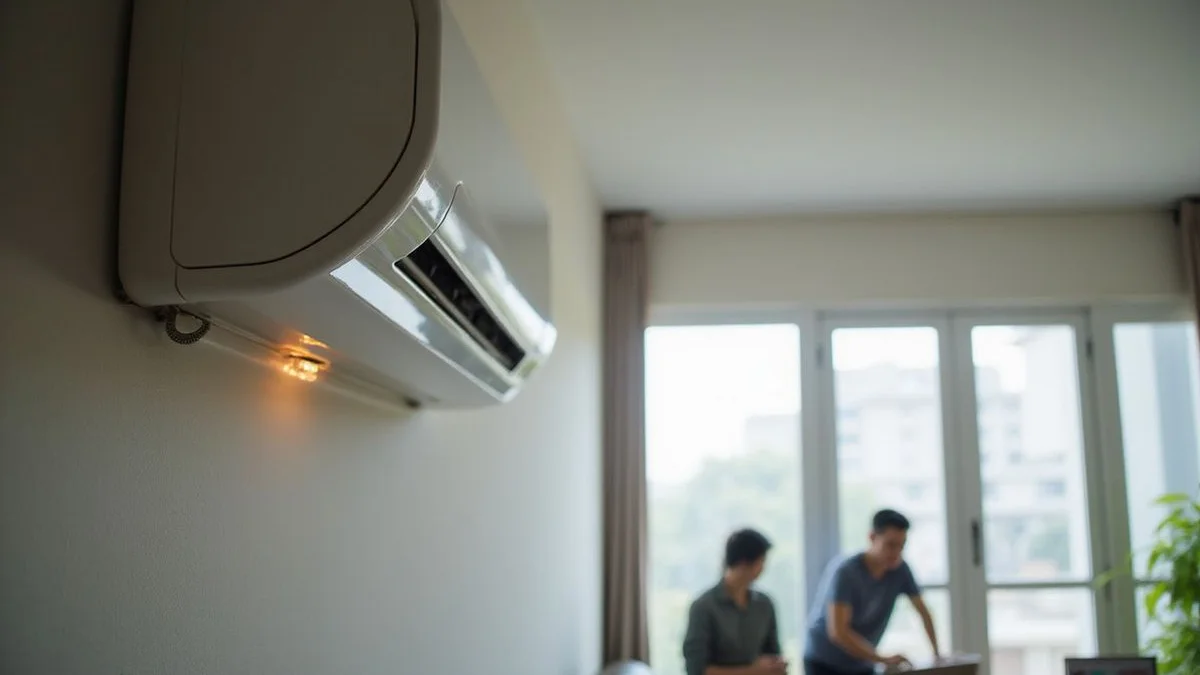
Most catastrophic aircon breakdowns in Singapore start as minor, ignored symptoms. A slight drop in airflow. A small bump on the electricity bill. A faint new smell that was not there before.
Catching these early warnings is the difference between a routine S$50 service and a S$300+ emergency repair. A well-maintained unit lasts its full ten-year lifespan. A neglected one rarely makes it past six.
Sign 1: Weak or uneven airflow
Stand directly under your indoor unit after switching it on. You should feel a distinct, directed stream of cold air. A diffuse or weak breeze indicates dust or biofilm is blocking the blower or coil.
A clogged filter alone reduces airflow by up to 15%, forcing the entire system to compensate. Try the DIY check first:
- Remove the front cover and extract the mesh filters
- Rinse them under running water with gentle finger brushing
- Allow filters to dry completely in a shaded spot
- Reinstall and test the airflow
If the breeze remains weak after a clean filter is back in place, the blockage has reached the internal evaporator coil. Professional equipment is needed to clear deep-seated debris without damaging the delicate aluminium fins.
Sign 2: Rising electricity bill with no lifestyle change
Your daily routines have not changed. The weather feels like a typical Singapore week. Yet the SP Group utility statement has crept up over the past two quarters.
This financial bump almost always points to coil fouling. Dust coating the evaporator fins creates an insulation layer that blocks heat transfer. The compressor runs longer to reach your target 24 or 25 degrees.
| Coil condition | Heat transfer | Estimated energy waste |
|---|---|---|
| Clean evaporator coil | 100% (optimal) | 0% |
| Light dust coating | 85% | 15% |
| Heavy fouling or biofilm | 50-60% | 30-50% |
With the SP Group regulated tariff at 29.72 cents per kWh (inclusive of GST) for Q2 2026, these inefficiencies compound every night the unit runs. Standard maintenance usually restores the lost efficiency immediately. In a typical Tampines or Bedok HDB flat running 3 units, the electricity savings from a single servicing visit can recover the cost within two to three months.
Sign 3: A new smell that was not there before
Unusual odours progress in severity and each scent points to a specific internal problem. Singapore’s year-round humidity above 80% creates ideal breeding conditions for indoor mould strains like Aspergillus and Cladosporium.
Four odour warning levels:
- Faint dusty scent on startup: Usually clears within a minute. Standard cleaning resolves it.
- Musty or damp odour: Peaks during the first five minutes. Indicates mould requiring a thorough chemical wash.
- Sour or vinegar smell: Heavy microbial biofilm that surface brushing cannot remove.
- Burning plastic or electrical smell: Switch off immediately and arrange an urgent repair.
Never mask aircon odours with room fresheners. The smell is a biological symptom of internal contamination. Masking it allows harmful fungi to spread through your sleeping environment.
Sign 4: Water marks, drips, or damp patches
Condensation should only exit through the dedicated PVC drainage pipe. Water appearing anywhere else means the drainage system is actively failing.
These symptoms require immediate attention:
- Visible drips from the front plastic casing
- Damp or peeling paint on the wall directly below the unit
- Expanding water stains on the ceiling (common with cassette types)
- Unexplained puddles forming on the floor
Standard servicing usually clears minor jelly-like blockages in the drainage pipe. Severe algae clogs require high-pressure clearing to reset flow. Do not run the unit while it leaks. Singapore humidity accelerates secondary water damage to flooring and gypsum walls, and the Building Control Act allows penalties up to S$5,000 for aircon installations causing property damage from improper drainage.
Sign 5: Condensation or ice on pipes
Frost forming on the outdoor copper pipes is a serious warning. Heavy water droplets on insulated trunking inside the flat point to the same problem: the internal coil is freezing over.
The most common causes are severe airflow restriction or a slow R32 refrigerant leak. When the coil temperature drops below freezing, the system can no longer absorb heat from the room effectively.
Never chip ice away with hard tools. Puncturing the copper coils causes a refrigerant release that requires professional repair. Switch the unit off entirely and let ice melt naturally. A professional assessment is needed to identify and fix the root cause before the compressor sustains permanent damage from sustained low-pressure operation.
When symptoms go beyond servicing
Certain failures cannot be resolved with cleaning alone. Loud grinding sounds, a unit that trips the main circuit breaker, or visible sparking all indicate component-level damage requiring repair rather than maintenance.
Send a short video of the symptom with your postal code via WhatsApp to iCare Aircon. The visual evidence helps our team prepare the correct replacement parts for your specific brand before arriving. We provide an honest assessment of whether the unit can be saved or whether replacement makes more financial sense.
Questions Answered
Frequently Asked Questions
Is a faint smell from the aircon a sign I need servicing or repair?
A faint dust smell in the first few minutes of startup usually means standard servicing is enough. A persistent mouldy or sour smell points to chemical wash territory where the biofilm is past surface level. A burning or electrical smell means stop the unit immediately and book a repair diagnosis.
My electricity bill went up but the aircon still cools. Do I need servicing?
Yes. Higher energy consumption to reach the same temperature is the classic sign of coil fouling. Your compressor is working harder because airflow across the coil has dropped. Servicing usually restores efficiency, and the electricity savings typically pay for the service within 2 to 3 months.
Can weak airflow be a filter issue I can fix myself?
Sometimes. Rinsing the filter under running water monthly is good DIY maintenance. If airflow stays weak after a filter rinse, the blockage has moved past the filter into the coil or blower, which needs professional servicing to reach safely.
 LICENSED
 About the Author
Mr Chong
Founder & Licensed HVAC Technician, iCare Aircon
Mr Chong founded iCare Aircon in Jurong after more than 10 years in Singapore’s HVAC industry. He started as an apprentice technician on HDB rooftops, moved into commercial chiller work, then built iCare Aircon to offer honest, diagnostics-first aircon servicing across Singapore. He holds a BCA-licensed contractor registration, NEA-certified refrigerant handler status, and personally trains every technician on the team. Mr Chong writes these guides to answer the same questions he hears on every job call.
Related Guides
How Often Should You Service Your Aircon in Singapore?
The right aircon servicing frequency for Singapore's tropical climate. When HDB, condo, and heavy-use units need a professional visit and why.
Read guide →What Is Included in Standard Aircon Servicing?
Exactly what standard aircon servicing covers in Singapore: filter wash, coil wipe, drainage flush, blower check, cooling test. Step-by-step breakdown.
Read guide →Smelly Aircon: What Each Odour Means and How to Fix It
Mouldy, sour, or burning aircon smell? What each odour means for your Singapore home and whether you need a chemical wash or urgent repair.
Read guide →Ready for cool, clean air — today?
Chat with iCare Aircon on WhatsApp for same-day aircon service island-wide.